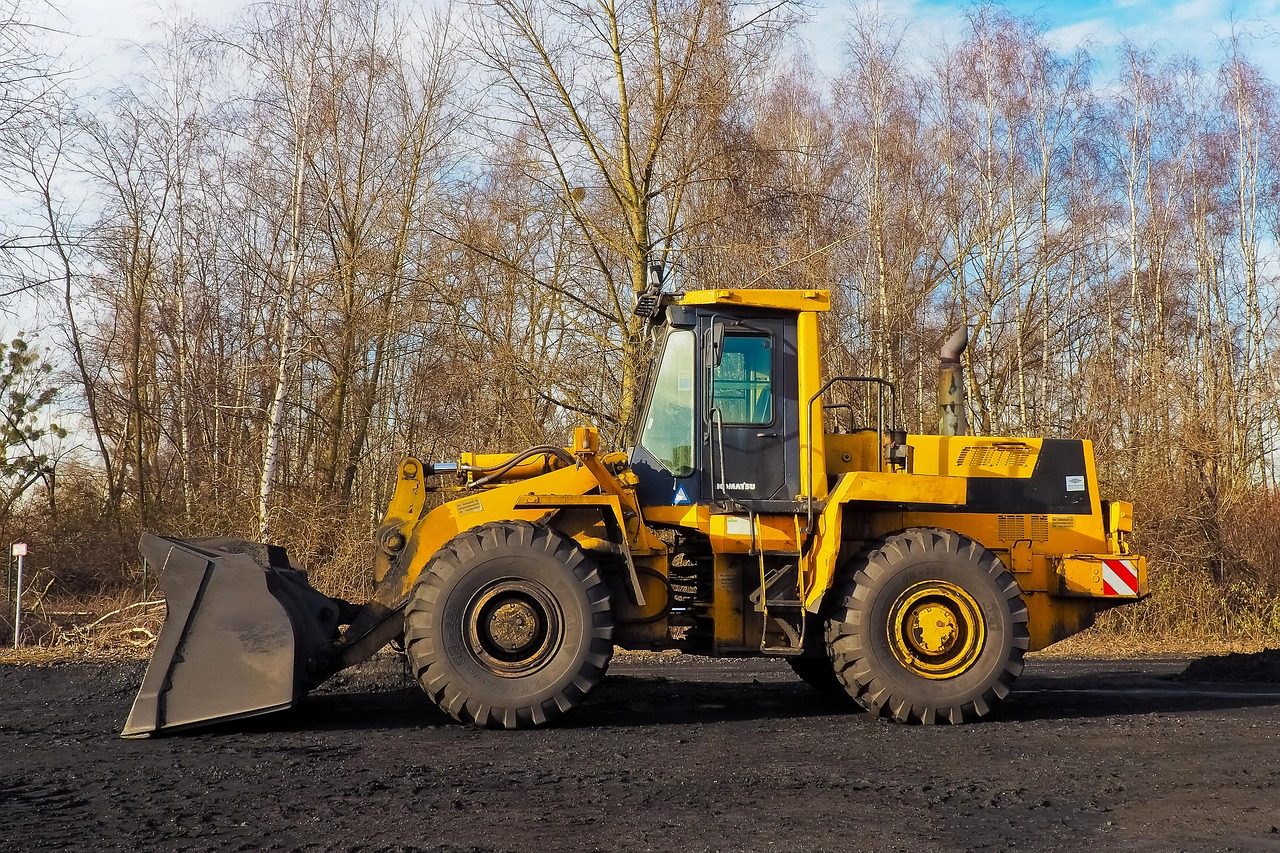
Put a 2009 excavator next to a 2017 excavator of the same size and the biggest difference is behind the engine. The 2017 machine carries a diesel particulate filter, a catalyst, often a second tank for diesel exhaust fluid, and a computer that runs all of it. The 2009 machine mostly has a muffler and a stack. That is Tier 4 Final explained in one picture, and it changes what you inspect, what you budget for and what you walk away from when you buy used diesel equipment. Here is what the EPA tiers are, when they took effect by engine size, what each part does and how to check a Tier 4 machine before you pay for it.
What are the EPA tiers for nonroad diesel engines?
The EPA sets exhaust limits for new diesel engines in nonroad equipment: excavators, loaders, dozers, skid steers, tractors, generators. The limits came in steps called tiers, and each one cut the allowed nitrogen oxides (NOx), particulate matter (PM, the soot), hydrocarbons and carbon monoxide.
- Tier 1: started between 1996 and 2000, depending on engine size.
- Tier 2: between 2001 and 2006.
- Tier 3: most mid-size and large engines from 2006 to 2011. The smallest and largest power bands never had a Tier 3.
- Tier 4: two steps for most engines, which the industry calls Tier 4 interim (Tier 4i) and Tier 4 Final (Tier 4F).
Two things matter when you shop. The standards apply to the engine when it is new, not to the machine for life. And they are set by rated power, so a mini excavator and a 300 hp dozer built the same year can be on different tiers.
Tier 4 phase-in years by horsepower
The EPA’s reference table, Nonroad Compression-Ignition Engines: Exhaust Emission Standards (EPA-420-B-16-022, March 2016), lists the years in kilowatts. We added an approximate horsepower conversion:
| Rated power | Typical machines | Tier 3 years | Tier 4 interim | Tier 4 Final |
|---|---|---|---|---|
| Under 19 kW (under about 25 hp) | Small mini excavators, compact tractors | None | One Tier 4 step from 2008 | |
| 19 to 37 kW (about 25 to 50 hp) | Mini excavators, small skid steers | None | 2008 to 2012 | 2013 on |
| 37 to 56 kW (about 50 to 75 hp) | Many skid steers and CTLs, compact excavators | 2008 to 2011 (one of two options) | 2008 to 2012, by option | 2013 on |
| 56 to 130 kW (about 75 to 175 hp) | Large skid steers and CTLs, backhoes, mid-size excavators, small dozers and loaders | 2007 or 2008 to 2011 | 2012 to 2013 | 2014 on, phased in |
| 130 to 560 kW (about 175 to 750 hp) | 20 to 50 ton excavators, mid-size and large loaders and dozers | 2006 to 2010 | 2011 to 2013 | 2014 on, phased in |
| Over 560 kW (over about 750 hp) | Mining-class machines | None (Tier 2 to 2010) | 2011 to 2014 | 2015 on, phased in |
Source: EPA-420-B-16-022. The EPA labels both steps “Tier 4”; “interim” and “Final” are industry names. Horsepower (1 kW is about 1.34 hp) and machine examples are ours.
Two footnotes in that table matter to a used buyer. During the 2011 to 2013 years, no more than 50 percent of a manufacturer’s engines could still meet the interim limits, and during the 2014 phase-in at least 50 percent had to meet the final ones. So a 2013, 2014 or 2015 machine can be either. The model year alone does not tell you; the emission label on the engine and the spec sheet do.
The jump was big. For engines from about 175 to 750 hp, the same table shows the particulate limit going from 0.20 g/kW-hr under Tier 3 to 0.02 under Tier 4, a 90 percent cut, and NOx going from a combined NMHC plus NOx limit of 4.0 to a NOx limit of 0.40 g/kW-hr from 2014. Cuts that deep are why the exhaust end of a Tier 4 Final machine looks so different.
DPF, DEF and the rest: what a Tier 4 Final machine carries
This is the DPF and DEF hardware on heavy equipment, part by part. Not every machine has every piece, so ask for the spec sheet of the exact model and year.
| Component | What it does | What to check when buying |
|---|---|---|
| DOC (diesel oxidation catalyst) | Burns off unburned fuel and carbon monoxide and heats the exhaust for the DPF. | Usually trouble-free. Ask if it was replaced, and by whom. |
| DPF (diesel particulate filter) | Traps soot and burns it off during regeneration. Ash builds up and must be cleaned out. | Regen history, active codes, soot and ash load if shown, last cleaning or replacement. |
| SCR (selective catalytic reduction) | Uses DEF to turn NOx into nitrogen and water. | Codes for NOx sensors, dosing and DEF quality. Past derates. |
| DEF system (tank, pump, lines, doser) | Stores DEF and sprays it into the exhaust ahead of the SCR catalyst. | Level, clear fluid, white crystals around the doser or lines, heater working. |
| EGR (exhaust gas recirculation) | Sends some cooled exhaust back into the engine to lower NOx. | EGR valve and cooler codes, coolant loss with no visible leak. |
| Sensors and engine computer | Decide when to regenerate, how much DEF to dose and when to warn the operator. | Stored and active codes, and whether the software is current. |
None of this makes a Tier 4 machine a bad buy. It makes the aftertreatment part of the inspection, the way the undercarriage is on a track machine.
Tier 3 vs Tier 4 used equipment
Tier 3 and older machines are simpler at the exhaust end: no filter to regenerate, no DEF tank, fewer sensors. Some owner-operators who do their own repairs look for them on purpose. The trade-offs:
- For: fewer parts that can fault out or derate the engine, no DEF to buy or keep from freezing, repairs a good diesel mechanic can do without dealer software, and usually a lower price.
- Against: a 2009 machine is 17 years old and usually has the hours to match (our guide on how many hours is a lot shows how to read them against age). Ask about parts support for that engine. And some jobs set their own equipment emission requirements, which can narrow your resale market.
Can you still buy and use one? EPA’s Clean Air Northeast construction page says the nonroad standards “will affect only newly manufactured construction vehicles and equipment and will not reduce emissions from current vehicles and equipment.” A machine certified when it was built does not have to be upgraded to a later tier under the federal standards. State rules and job contracts are a separate question.
California is the exception. CARB’s In-Use Off-Road Diesel-Fueled Fleets Regulation covers off-road diesel vehicles of 25 hp or more used in California, phases out Tier 0, 1 and 2 engines there, and states that “Tier 3 vehicles may no longer be added to any fleet.” If a machine might ever work in California, read CARB’s rules first.
DPF regeneration and ash cleaning
The DPF fills with soot as the engine runs. The machine cleans it by regenerating: raising exhaust temperature until the soot burns off. Depending on the brand, that happens on its own under load, automatically while you work, or parked when the display asks the operator to start it.
- What helps: steady work under load.
- What hurts: long idling, short runs and cancelled regens. A machine that idled for hours on a job may have a filter close to its limit.
- Ash: soot burns, ash does not. The filter has to be removed and cleaned, or replaced, at the interval in the operator’s manual. Ask when it was last done.
❌ Wrong: “It runs fine, so the DPF is fine.”
✅ Right: “It runs fine. Show me the regen history, the stored codes and the last ash cleaning in the service records.”
DEF: quality, storage and crystallization
Diesel exhaust fluid is urea mixed with purified water. It never goes in the fuel tank. Most DEF trouble on a used machine comes from three things:
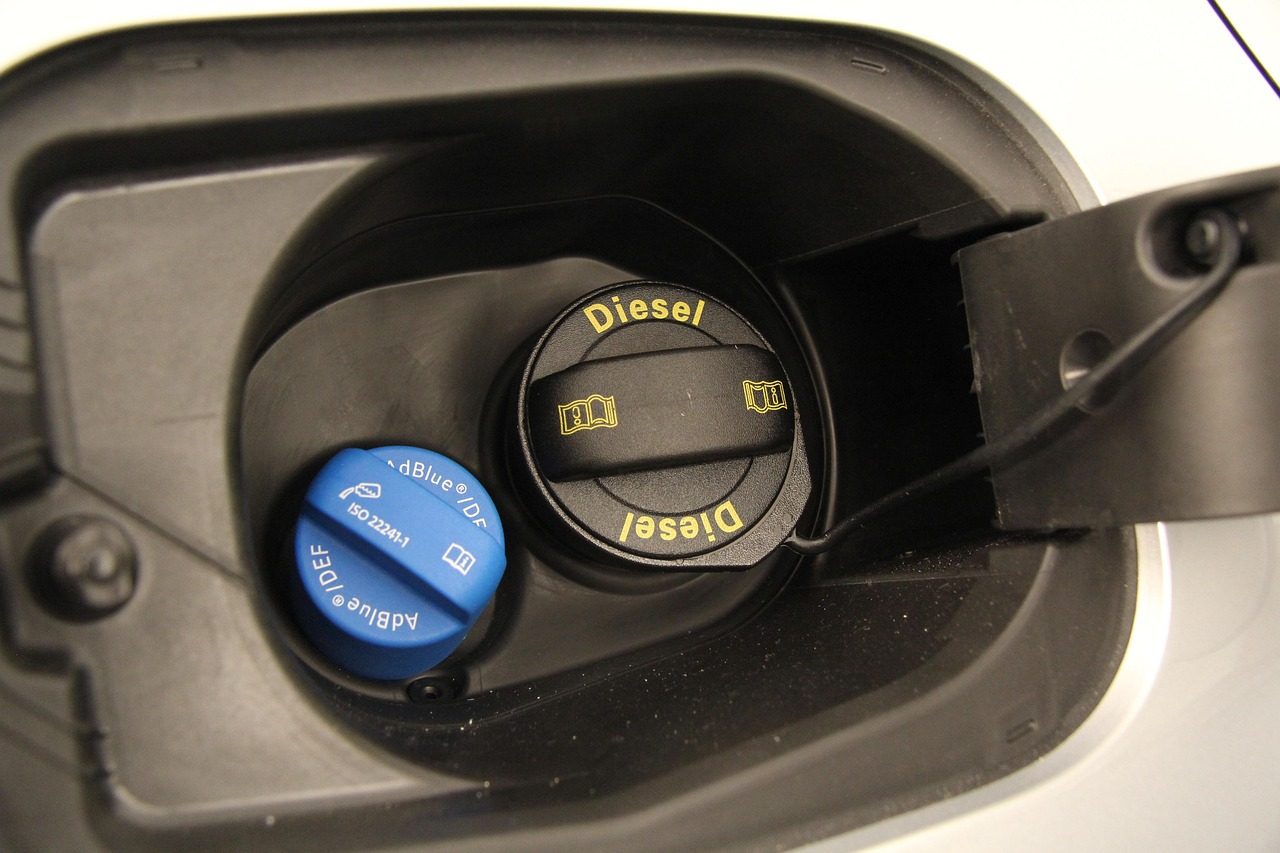
- Bad fluid. Dirty containers or the wrong fluid set off quality codes and can damage the doser and catalyst. Buy DEF made to ISO 22241, the specification printed on many DEF caps and jugs.
- Storage. DEF breaks down with heat and time. Keep it sealed and out of the sun. It can freeze in a Pennsylvania winter; the machine’s tank and lines are heated, so never add anything to it.
- Crystals. Dried DEF leaves white crystals. Some crust on the cap is normal. Heavy buildup around the doser, lines or exhaust points to a leak or dosing problem.
DEF derates: what changed in 2025 and 2026
When the SCR system sees a problem, like low or poor DEF, it cuts engine power: the derate operators complain about. EPA’s DEF news release says that under its August 2025 guidance, “Nonroad equipment has no impacts for the first 36 hours before a slight torque reduction then takes effect.” EPA’s DEF timeline (July 2026) adds that manufacturers have released updated software and will extend it to older equipment, and that EPA has proposed removing DEF derates on new nonroad engines. That is a proposal, not a final rule. For a buyer, the question is simple: has this machine had the manufacturer’s latest emissions software update?
How to check a used Tier 4 machine before you buy
Do this on top of the normal inspection. Our used excavator inspection checklist covers engine, hydraulics, undercarriage and swing, and most of it applies to any machine.
- Read the emission label on the engine to confirm the tier, especially on 2011 to 2015 machines.
- Pull the fault codes, active and stored. DPF, SCR, NOx sensor or DEF codes are not deal-breakers, but each needs an explanation and a repair price.
- Look at the regen history. Many machines show the regen count, time since the last one and soot or ash load. Lots of parked or cancelled regens suggest heavy idling or a problem.
- Check the DEF tank and lines for level, clarity, crystals and warnings.
- Ask for aftertreatment service records: DPF cleanings, sensor, doser or pump replacements, and software updates.
- Run it, or ask for a video of a cold start and a few minutes under load, and watch the dash.
- Read the hours with idle time in mind. A high-hour machine that idled a lot has worked its DPF harder than the meter suggests.
Deleted machines: why to walk away
A “delete” means someone removed or bypassed the DPF, SCR, EGR or DEF system and reprogrammed the engine to run without them. Do not buy one, and do not plan to delete a machine you buy.
- It is illegal. EPA’s page on aftermarket defeat devices states that “the CAA prohibits tampering with emissions controls, as well as manufacturing, selling, and installing aftermarket devices,” and that its enforcement covered nonroad engines as well as trucks.
- Repair guidance did not change that. EPA’s February 2026 right-to-repair guidance allows temporary overrides of emission controls for the “purpose of repair,” and says it “does not change the law, weaken emission standards, or reduce compliance obligations.”
- Resale and support suffer. Many dealers will not take a deleted machine in trade, putting the parts back is expensive, and brand dealers may refuse warranty or software work.
Warning signs: a straight pipe where the DPF canister should be, a dry DEF tank with no warning on the dash, capped wiring or missing sensors, or a seller who says “it’s tuned, no more regens.”
How the tier affects price
We cannot isolate a “Tier 4 premium,” because older machines are also older and harder-worked. What we can show is how asking prices on Heavy Listing split by model year. These are the used machines with a listed price from Pennsylvania dealers on November 10, 2026. The bands roughly separate pre-Tier 4 machines (2010 and older) from Tier 4 Final machines in the mid and large power range (2015 and newer):
| Category | 2010 and older: machines, median price, median hours | 2015 and newer: machines, median price, median hours |
|---|---|---|
| Excavators | 10, $71,400, about 9,200 h | 38, $98,200, about 3,000 h |
| Wheel loaders | 13, $36,500, about 6,700 h | 20, $163,750, about 630 h |
| Dozers | 11, $35,500, about 7,500 h | 12, $127,000, about 2,500 h |
| All categories | 75, $45,500, about 7,200 h | 183, $62,900, about 2,400 h |
Asking prices, not sale prices. “Call for price” listings excluded; hours medians use only listings that show hours. Small samples: a snapshot, not a rule.
Most of the gap is age and hours: the newer wheel loaders are mostly nearly new machines. What the table does show is that a buyer who wants to skip aftertreatment can get into an older dozer or loader for a fraction of the price, with several thousand more hours on it. Within the Tier 4 years, aftertreatment condition moves price too: a machine that needs a DPF or NOx sensors should cost less than one that does not, so get a repair quote and take it off the asking price. For model-by-model numbers, see our guides to used excavator prices, used wheel loader prices and used dozer prices.
Compare used machines by year and hours
Browse used equipment from Pennsylvania dealers. Every listing shows year, hours and price, and you contact the dealer directly to ask for codes, regen history and service records.
Browse used equipment →Common mistakes with used Tier 4 equipment
1. Trusting the model year to tell you the tier
From 2011 to 2015 the standards were phasing in and out. Read the engine label.
2. Skipping the scan because it “runs good”
Aftertreatment trouble often shows up as stored codes long before a derate.
3. Buying a Tier 4 machine at auction without looking
Auction machines are usually sold as is, with no time to pull codes. Go to the preview and add the buyer’s premium to your math: see how to buy at an equipment auction.
The bottom line on Tier 4 Final
Tier 4 Final machines are cleaner and, with healthy aftertreatment, work as well as anything older; they just ask more of you at inspection. Tier 3 machines are simpler, legal to buy and use under the federal standards they were built to, and cheaper, but usually carry far more hours.
- ✓ Confirm the tier on the engine label, not just the year.
- ✓ Get fault codes, regen history and software update status before you travel.
- ✓ Price any aftertreatment repairs into your offer.
- ✓ Walk away from deleted machines.
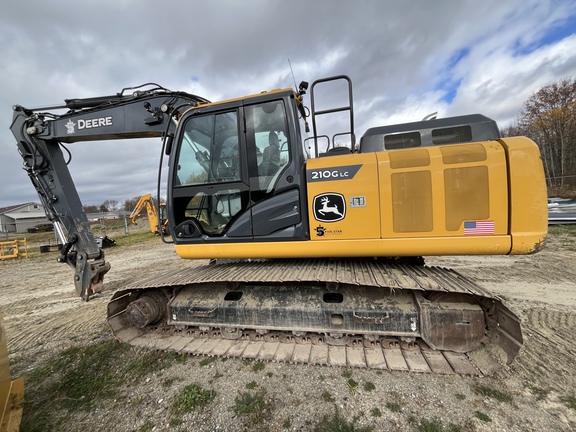
Some of the newest used excavators on Heavy Listing:
Frequently asked questions
What does Tier 4 Final mean?
It is the last step of the EPA’s Tier 4 exhaust standards for new nonroad diesel engines, the strictest limits on soot and NOx so far.
What year did Tier 4 Final start for heavy equipment?
By engine power, per EPA-420-B-16-022: 2013 for about 25 to 75 hp, 2014 for about 75 to 750 hp (phased in), 2015 above about 750 hp. A 2013 to 2015 machine can be interim or Final, so check the engine label.
Is it legal to buy and use a used Tier 3 machine?
Under the federal standards, generally yes: EPA says they affect only newly manufactured equipment. California’s CARB fleet rules and some job contracts set their own limits.
Do all Tier 4 machines use DEF?
No. SCR with DEF is common on mid-size and larger engines, but many small machines meet Tier 4 with a DPF, a DOC or both. Check the spec sheet.
Is it legal to delete the DPF or DEF system?
No. EPA states the Clean Air Act prohibits tampering with emission controls and installing defeat devices, including on nonroad engines. Temporary overrides for repair are a separate matter under EPA’s 2026 guidance.