Skid steer vs compact track loader: on paper they look like the same machine. Same lift arms, same quick-attach plate, often the same engine. The difference is what they stand on, and that changes where they work, how fast they move, what they cost to buy and what they cost to keep running.
This guide compares the two with manufacturer spec sheets for twin models and the asking prices of 72 used machines listed by Pennsylvania dealers on Heavy Listing. If you already know which type you want and only need prices, our guide to used skid steer prices goes deeper on age, hours and brand.
The short version: wheels vs tracks
| Wheeled skid steer | Compact track loader | |
|---|---|---|
| Best ground | Concrete, asphalt, gravel, firm dirt | Mud, sand, wet clay, slopes, turf |
| Ground pressure | Higher (most makers do not publish it) | Low: 4.2 psi on a Bobcat T770, 5.0 psi on a John Deere 333G |
| Top speed | Faster: 12 to 12.3 mph on the twins below | Slower: 7.8 to 10.7 mph on the twins below |
| Wear parts | Tires | Rubber tracks, rollers, idlers, sprockets |
| Used median price (PA, Nov 2026) | $27,000 (22 machines) | $37,200 (50 machines) |
Same frame, different feet: twin models compared
Most manufacturers build a wheeled and a tracked version of the same loader. Comparing those twins is the cleanest way to see what the tracks change, because the lift arms and the engine stay the same. These figures come from the manufacturers’ own spec pages and sheets.
| Spec | Bobcat S770 | Bobcat T770 | John Deere 332G | John Deere 333G |
|---|---|---|---|---|
| Type | Wheels | Tracks | Wheels | Tracks |
| Engine | 92 hp | 92 hp | 100 hp gross | 100 hp gross |
| Operating weight | 9,154 lb | 10,515 lb | 10,000 lb | 12,100 lb |
| Rated operating capacity | 3,350 lb | 3,475 lb | 3,600 lb | 3,700 lb |
| Tipping load | 6,700 lb | 9,929 lb | 7,200 lb | 10,570 lb |
| Travel speed (low / high) | 7.1 / 12.3 mph | 6.1 / 10.7 mph | 7 / 12 mph | 5.3 / 7.8 mph |
| Ground pressure | Not published | 4.2 psi | Not published | 5.0 psi |
Sources: Bobcat S770, Bobcat T770, John Deere 332G and John Deere 333G spec sheets. T770 capacity is for the standard machine without added counterweights. The 333G is the G-Series model Deere has since replaced; most used 333s for sale are G-Series.
The tracked twin is heavier, by about 1,400 lb on the Bobcats and 2,100 lb on the Deeres. It is slower in high range, and on the Deeres by more than 4 mph. And it spreads that extra weight over a much larger footprint, which is where the low ground pressure comes from.
The capacity number is not apples to apples
Look at the rated operating capacity (ROC) line above and the twins seem almost equal: 3,350 lb against 3,475 lb on the Bobcats. Look at the tipping load and the track loader is far ahead: 9,929 lb against 6,700 lb.
The reason is how the rating is calculated. As Bobcat’s buyer’s guide puts it, ROC is typically 50% of the tipping load for skid steers and 35% for compact track loaders. The lower percentage for tracks reflects that they are built to work on soft, uneven ground. John Deere’s 333G sheet prints both figures: 3,700 lb at 35% of tipping load, and 5,285 lb at 50%.
So when you compare a skid steer and a track loader, compare tipping loads, or put both on the same percentage. Comparing ROC alone makes the tracked machine look weaker than it is.
Where a compact track loader wins
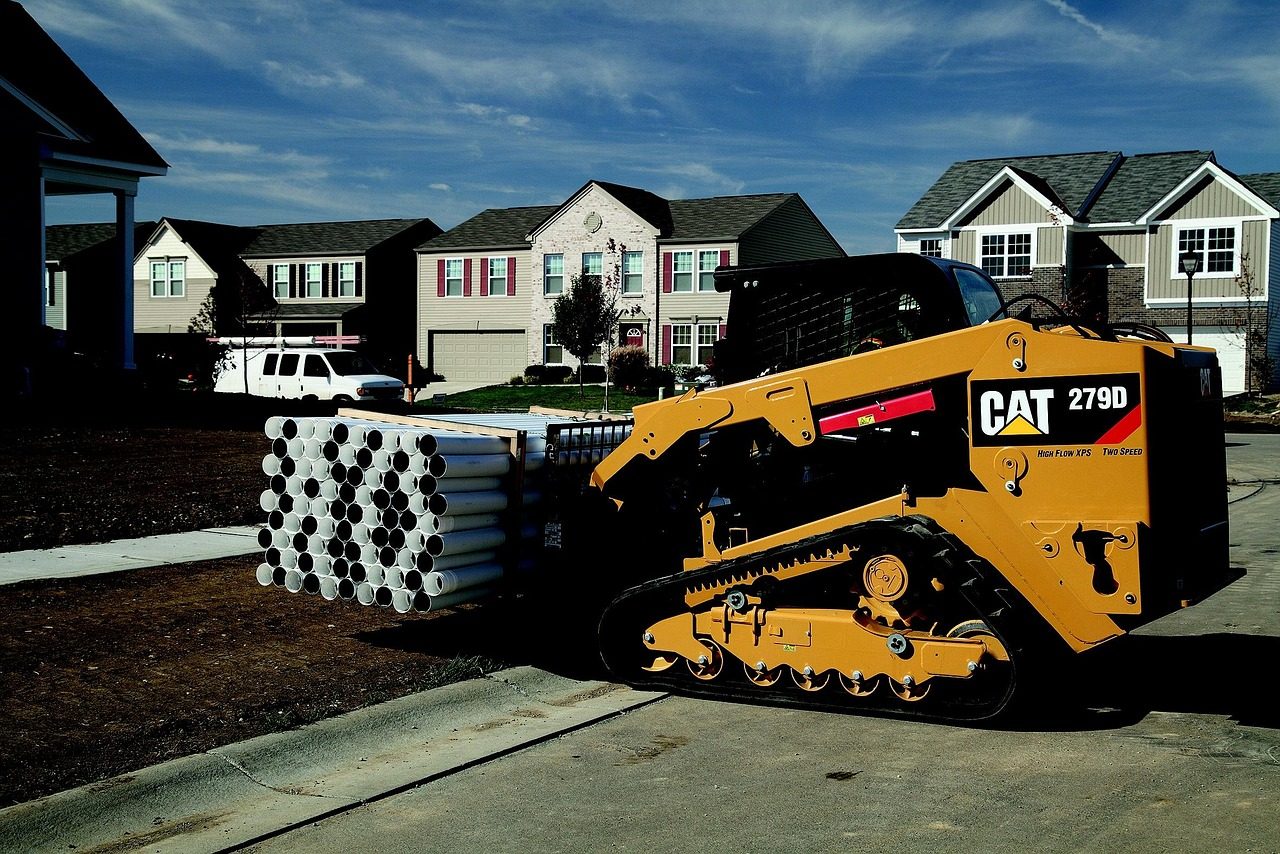
- Soft and wet ground. Low ground pressure keeps the machine on top of mud and sand instead of digging in, so you lose fewer days to weather.
- Slopes and grading. More contact with the ground means better traction and a steadier platform for finish grading.
- Turf and finished surfaces. Landscapers pick tracks because they leave less damage on lawns than spinning tires.
- Pushing and digging. The extra weight and traction help with dozing, land clearing and attachments that need pushing power.
Where a wheeled skid steer wins
- Hard surfaces. On concrete and asphalt, tires wear more slowly and cost less to replace than tracks and undercarriage parts. Running tracks on pavement and turning hard on it wears them out fast.
- Speed. On the twins above, the wheeled model is 1.6 to 4.2 mph faster in high range, which adds up on big yards, farms and jobs with long trips.
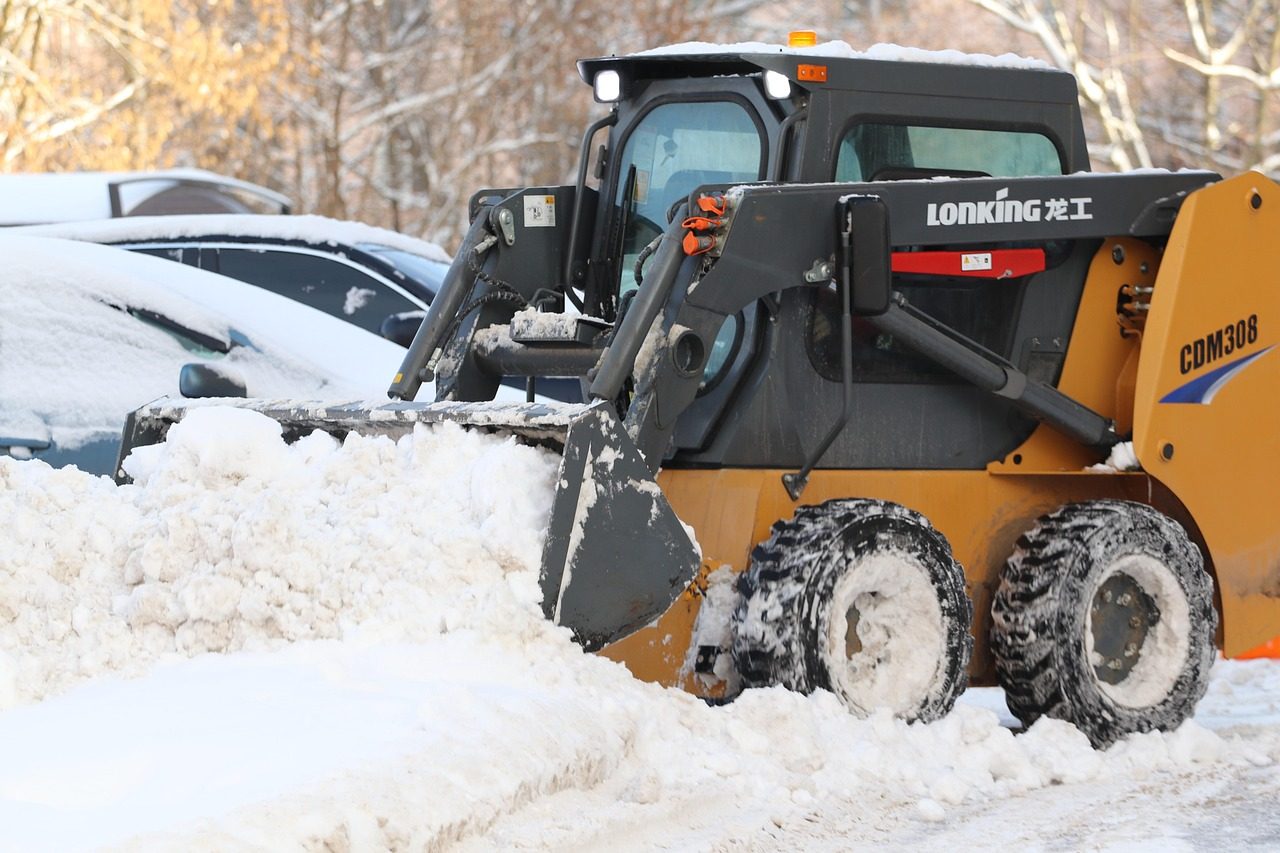
- Snow removal. Wheels and chains on cleared pavement suit plowing, which makes a wheeled machine a common pick for winter work.
- Lower price. A used skid steer costs less to buy, as the next section shows.
Used prices: what Pennsylvania dealers ask for each
On November 9, 2026, Pennsylvania dealers on Heavy Listing had 22 used wheeled skid steers and 50 used compact track loaders listed. Grouped by model year:
| Model year | Skid steers | Median price | Track loaders | Median price |
|---|---|---|---|---|
| 2022 and newer | 4 | $44,450 | 13 | $54,900 |
| 2018 to 2021 | 7 | $26,500 | 19 | $35,500 |
| 2013 to 2017 | 3 | $29,500 | 17 | $34,500 |
| 2012 and older | 8 | $18,200 | 1 | $29,900 |
In every age group the track loader median is higher, by about $5,000 to $12,000. Narrow it to one brand and the gap holds: the 7 Bobcat skid steers from 2015 to 2021 had a median of $26,500, the 16 Bobcat track loaders from the same years $38,500.
The closest twin pair in the listings shows the same thing. A 2017 Bobcat S770 with 3,539 hours was listed at $29,500. Two 2017 Bobcat T770s, with 2,491 and 1,960 hours, were listed at $42,500 and $45,500. The S770 has 1,000 to 1,600 more hours, so not all of that gap is tracks.
Single listings do not always follow the medians. A 2020 John Deere 332G skid steer was listed at $49,500, more than two 333G track loaders from 2019 and 2021 at $34,500 and $29,500. Condition, options and the dealer all move the price of one machine, which is why we compare medians and not one listing against another.
Compare both types side by side
Every listing shows the year, hours and asking price, with a direct line to the dealer.
Browse compact track loaders →What the listings say about the market
The mix of machines for sale says something about the market, though a listing count is not a sales count:
- Dealers listed far more track loaders. There were 50 track loaders for sale against 22 skid steers, more than two to one.
- Some brands showed up only on tracks. Every Kubota, Takeuchi, Caterpillar and JCB loader listed in this group was a track loader. Bobcat, John Deere and Case had both, and the one New Holland was a skid steer.
- Skid steers for sale are older. Eight of the 22 skid steers were 2012 or older, against one of the 50 track loaders. The median skid steer was 8.5 years old, the median track loader 6.5.
- Track loaders for sale had more hours per year of age. Among machines that listed hours, the median track loader had about 280 hours per year of age, the median skid steer about 190. None of the track loaders had 4,000 hours or more; three skid steers had more than 5,000.
If you buy a track loader, plan to sell it with tracks and undercarriage in good shape: buyers check them first. When that day comes, our guide on how to sell used heavy equipment compares trade-in, consignment and a private sale.
The cost of running each one
The purchase price is only part of it. The biggest running-cost difference is what touches the ground:
- Tracks and undercarriage. Rubber tracks, rollers, idlers and sprockets are the main wear items on a track loader, and replacing them is one of the largest repair bills it will have. Ask for a quote on tracks for the exact model before you buy.
- Tires. Tires on a skid steer also wear, especially on pavement, but they are usually cheaper and quicker to replace.
- Cleaning. Mud and debris packed into the undercarriage speed up wear. Track loaders need regular cleanouts, especially in clay and in freezing weather.
- Transport. The tracked twin is heavier, which can matter if you are close to the limit of your trailer or truck.
Is a track loader worth the extra money?
It is worth it when tracks keep you working on days a skid steer would sit, or let you take jobs you would otherwise turn down. It is not worth it when the machine spends most of its life on pavement or gravel. A quick way to run the numbers for your own operation:
- Start with the price gap. In our listings it was about $10,000 at the median, and about $5,000 to $12,000 within each age group.
- Count the days last season that soft ground, mud or a finished lawn kept a wheeled machine off the job, and what those days cost you in lost work or a rental.
- Get a quote for a set of tracks for the exact model, and compare it with a set of tires for the skid steer.
- Add any hauling change, since the tracked twin weighs 1,400 to 2,100 lb more.
If step 2 is close to zero, buy the skid steer. If it adds up to a real share of the price gap every year, the track loader pays for itself.
Which one should you buy?
| If your work is mostly… | Pick |
|---|---|
| Landscaping, finished lawns, sod and hardscape installs | Track loader |
| Site prep, grading, wet or muddy ground | Track loader |
| Land clearing and forestry mulching | Track loader |
| Farm yards, barns, feed and manure on firm ground | Skid steer |
| Demolition, paving, concrete and asphalt work | Skid steer |
| Snow removal on parking lots and driveways | Skid steer |
| A mix, with a tight budget | Skid steer, and rent a track loader for wet jobs |
Some owners split the difference with over-the-tire steel tracks on a wheeled skid steer for soft-ground jobs. They help with traction, but they add weight and wear, and they do not give the same ride or ground pressure as a purpose-built track loader.
Checking a used one before you buy
Whichever you choose, the inspection follows the same lines: a cold start, the hour meter against the service records, the lift arms and pins for play, and the hydraulics under load. Then check the part that differs:
- Track loader: track tension and cracks in the rubber, exposed steel cords, worn sprocket teeth, and rollers that leak or do not turn.
- Skid steer: tire tread and matching sizes, chain case noise, and wheel bearings and studs.
If you are buying at auction instead, our step-by-step guide on how to buy at an equipment auction covers inspection days and the fees on top of the hammer price, and our Pennsylvania equipment auction calendar lists the upcoming sales.
Common mistakes
- ❌ Comparing rated operating capacity across types. ✅ Compare tipping loads, or put both on the same percentage.
- ❌ Buying tracks for work that is mostly on pavement. ✅ Match the machine to the ground you work on most days.
- ❌ Judging a track loader on hours alone. ✅ Price the condition of the tracks and undercarriage into your offer.
- ❌ Assuming the cheaper skid steer is the better deal. ✅ Count the days a wheeled machine would sit idle on wet ground.
- ❌ Forgetting the trailer. ✅ Check the tracked twin’s extra weight against your hauling setup.
- ❌ Judging the price by one listing. ✅ Compare against the median for the same type and age group.
Skid steers and track loaders for sale in Pennsylvania
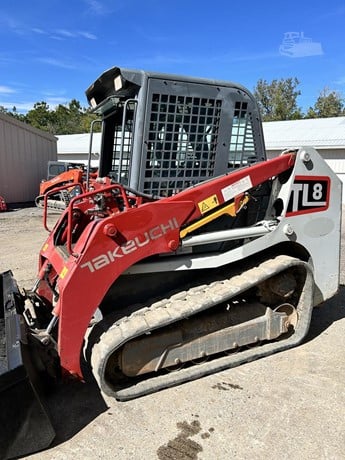
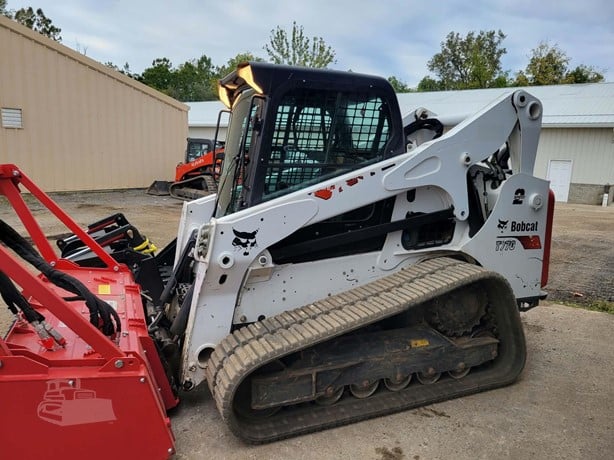
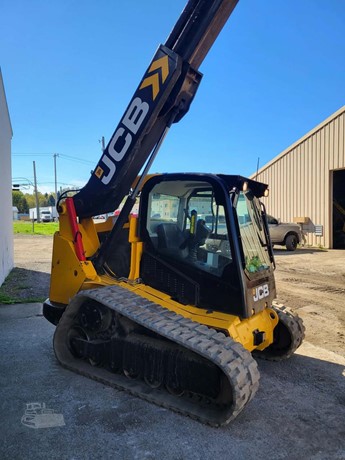
Some of the compact track loaders listed right now:
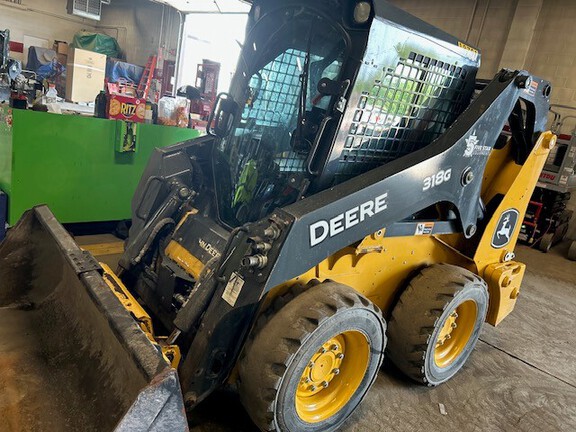
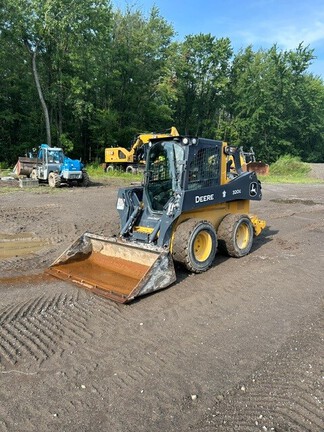
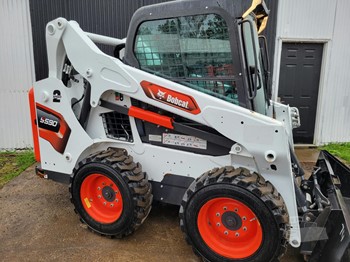
And some of the wheeled skid steers:
The bottom line
In the skid steer vs track loader decision, the ground you work on most days matters more than brand, horsepower or the spec sheet. Soft, wet, sloped or finished ground favors tracks, and the extra $10,000 or so at the median buys you working days. Pavement, gravel, long trips across a yard and snow favor wheels and the cheaper wear parts that come with them. Before you sign, put the two on equal footing: tipping load against tipping load, and a track quote against a tire quote.
Find the right loader at the right price
Browse used skid steers and compact track loaders from Pennsylvania dealers and contact the dealer directly.
Browse used skid steers →Frequently asked questions
What is the difference between a skid steer and a compact track loader?
They share the same basic design and lift arms, but a skid steer runs on four wheels and a compact track loader runs on rubber tracks. Tracks give lower ground pressure and better traction on soft ground; wheels are faster and cheaper to maintain on hard surfaces.
Is a compact track loader more expensive than a skid steer?
Yes. On November 9, 2026, used track loaders listed by Pennsylvania dealers on Heavy Listing had a median asking price of $37,200, against $27,000 for wheeled skid steers. The gap held in every age group.
Can a compact track loader lift more than a skid steer?
Often yes, even when the rated capacity looks similar. Track loaders are typically rated at 35% of tipping load and skid steers at 50%, so compare tipping loads. A Bobcat T770 tips at 9,929 lb; its wheeled twin, the S770, at 6,700 lb.
Is a track loader worth it?
Yes, if soft ground, slopes or finished turf would otherwise cost you working days. In our Pennsylvania listings the median track loader was about $10,000 more than the median skid steer, so weigh that gap against the days and jobs tracks add each season.
Is a skid steer or a track loader better for snow removal?
For plowing pavement, a wheeled skid steer is usually the better fit. It is faster, and tires handle cleared surfaces with less wear than tracks.
Is a track loader faster than a skid steer?
No. On the twin models compared here, the wheeled skid steers reach 12 to 12.3 mph in high range, and the track loaders 7.8 to 10.7 mph.
Which is better for landscaping?
A compact track loader, in most cases. Its low ground pressure leaves less damage on lawns and soft ground, and it keeps working after rain.