Selling a used skid steer, excavator or tractor is not like selling a pickup. There are fewer buyers, the machine is harder to move, and the way you sell it decides how much money you keep and how long you wait for it. In Pennsylvania you have three realistic routes: sell to a dealer, consign it at an auction, or sell it yourself.
This guide covers how to sell used heavy equipment each of those ways: what each one costs you, how to work out what you would actually take home, how to price and prepare the machine, what paperwork PA buyers will ask for, and how to get paid without getting burned. If you already know you want offers, you can tell us about your machine and we’ll pass it to Pennsylvania dealers and auctioneers.
Three ways to sell used heavy equipment
| Sell to a dealer | Consign at auction | Sell it yourself | |
|---|---|---|---|
| Speed | Fastest: days | Next sale date, often a few weeks | Unpredictable: days to months |
| Price | Usually below retail; the dealer needs margin | Set by bidders on the day | Potentially the highest |
| Your cost | None, beyond accepting a lower price | Seller commission, plus a fee if it does not sell | Listing fees, your time, showings |
| Effort | Low | Low to medium: deliver the machine, sign the contract | High: photos, calls, test runs, payment |
| Risk | Low | Price risk if few bidders show up | Scams, no-shows, tire kickers |
Which one fits depends on what you need more this month: the last dollar, or your time and a sure sale. Our advice either way: get a dealer offer first, even if you plan to consign or sell privately. It costs nothing and gives you a floor.
Option 1: sell to a dealer
Many used equipment dealers buy machines outright, and many take trade-ins against something on their lot. You get one offer, one payment, and the machine leaves your yard.
- Best for: sellers who want it done quickly, machines that need work, and anyone trading up.
- What the dealer looks at: type, year, hours, condition, and how fast they can resell it. A clean late-model skid steer moves quickly; a niche attachment may sit for months.
- The trade-off: the offer is lower than retail because the dealer covers reconditioning, holding time and a margin.
Trade-in or straight sale?
If you are buying from the same dealer, a trade-in can be the simplest deal of all: one negotiation, one visit, no hauling. The catch is that a generous trade-in number can hide a firm price on the machine you are buying. Ask for two numbers on paper: what they will pay for your machine as a straight purchase, and the price of theirs with no trade. Then you can see the real deal.
Option 2: consign at an auction
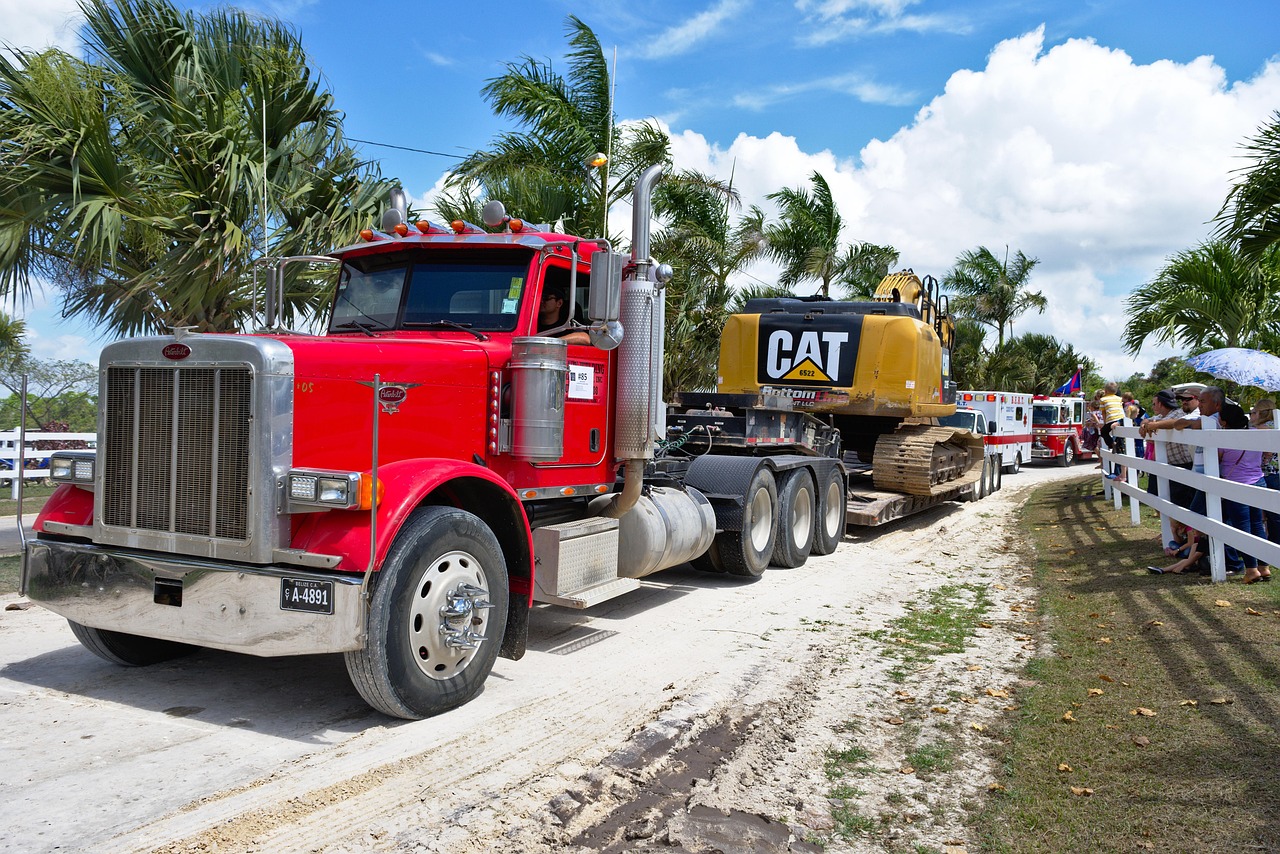
You deliver the machine to an auctioneer, set a reserve if they allow one, and it sells on sale day to the highest bidder. The auctioneer deducts a seller commission and pays you the rest.
Commissions vary by auctioneer and are spelled out in the consignment contract. As an example, the consignment contract published by Shetron Auction & Equipment, a Pennsylvania auctioneer, lists:
| Item sells for | Seller commission |
|---|---|
| Up to $100 | 20% |
| $101 to $1,000 | 15% |
| $1,001 to $12,000 | 10% |
| $12,001 and over | $1,200 cap |
The same contract charges a $150 buyback fee on items that do not sell. Other auctioneers use different rates, caps and extra charges for things like advertising, cleaning or titles, so read the contract line by line before you sign.
Look at what a cap does on bigger machines. On that schedule, an $8,000 machine pays $800 (10%). A $30,000 skid steer pays $1,200, which is 4%. A $60,000 excavator also pays $1,200, which is 2%. Under a capped schedule like this one, consigning gets cheaper in percentage terms the more the machine is worth.
Why auction prices can come in under retail
Buyers pay a fee on top of the hammer price. A buyer’s premium means bidders lower their maximum bid to cover it. They are also buying as-is, with no warranty and only what they can check on preview day. A well-attended sale makes up for a lot of that. A thin crowd does not. Before you commit, ask the auctioneer which of their sales draws the most bidders for your type of machine, and whether they allow a reserve.
Here are the next consignment and equipment sales on our calendar. The full list, by month and region, is in our guide to equipment auctions in Pennsylvania.
McGrew’s 11/10 Tractor & Construction Equipment Auction
Kurtz Trading November 11th Equipment Auction
McGrew’s 11/17 Timed Online Auction
McGrew’s 11/17 No Reserve Dealer Equipment Auction
Not sure whether to sell or consign?
Tell us about the machine once. We’ll pass it to Pennsylvania dealers that buy and to auctioneers that take consignments, so you can compare real answers. Free, no obligation.
Get offers for my equipment →Option 3: sell it yourself
A private sale can bring the best price, because there is no dealer margin and no commission. It also puts every job on you: pricing, photos, calls, showings, test runs and collecting payment.
- Where to list: local word of mouth, farm and contractor groups, online classifieds and equipment listing sites. Paid equipment sites charge for private listings; MyLittleSalesman, for example, publishes a price of $44.95 a month per machine.
- Who you will hear from: serious local buyers, dealers looking for inventory, and a fair number of people who will never show up.
- Heavy Listing: the machines listed on our site come from dealers, so we don’t take private listings. Private sellers can use our sell your equipment form instead.
Example:
❌ Wrong: “I’ll post it at what a dealer asks for the same model and wait.”
✅ Right: “I’ll price it between a dealer’s buy offer and a dealer’s retail price, with clear photos and records, so it is the obvious deal for a private buyer.”
A private buyer gets no warranty, financing or reconditioning from you. At the dealer’s price, they will buy from the dealer.
What you actually take home: one machine, three ways
Compare routes by what lands in your account, not by the headline price. Take a skid steer that would bring about $30,000 at auction:
- Consign it: under the Shetron schedule, $30,000 minus the $1,200 cap leaves $28,800, before hauling and any extra fees in the contract. If it does not sell, you pay the $150 buyback fee and still have the machine.
- Sell it yourself: no commission, but count your costs. Three months on a paid site at $44.95 is $134.85, plus your time on calls and showings. You come out ahead only if a private buyer pays more than the auction would, and pays safely.
- Sell to a dealer: compare the offer with your consignment net, not with the auction price. If the dealer pays close to what you would net at auction, after hauling, the dealer’s speed and certainty may be worth more than the difference.
Treat this as an illustration, not a quote: your machine, the contract and the dealer’s offer set the real figures. What carries over is the method. Put all three options in money-in-hand terms before you decide.
How do you price used equipment?
Start with what similar machines are listed for, then adjust for your machine’s hours, condition and extras.
- Find comparable listings: same type, size class, similar year and hours. Our guides to used skid steer prices and used excavator prices show how much size, age and hours move the number.
- Adjust for condition: tires or tracks near the end of their life, leaks, or missing attachments lower the price. A recent undercarriage, enclosed cab or high-flow hydraulics raise it.
- Remember that asking is not selling: dealer asking prices include margin and room to negotiate.
- Decide your floor: the lowest number you will accept, written down before anyone calls.
Selling a skid steer: what buyers check first
Contractors, farmers and landscapers all run skid steers and compact track loaders, so the pool of buyers is wide. Most of them have owned one before, and they check the same things:
- Hours and how they were put on: service records count for more than the meter alone.
- Tires or tracks and undercarriage: the most expensive wear items on the machine.
- Pins, bushings and the quick attach: play in the loader arms shows up fast on a test run.
- Hydraulics: leaks, slow cycle times, and whether it has high flow for attachments.
- Cab: open or enclosed, heat and air, and whether the controls work as they should.
- Attachments: a bucket, forks or a grapple included in the sale can make the deal.
If you know one of these is weak, say so in the ad and price it in.
How to prepare the machine for sale
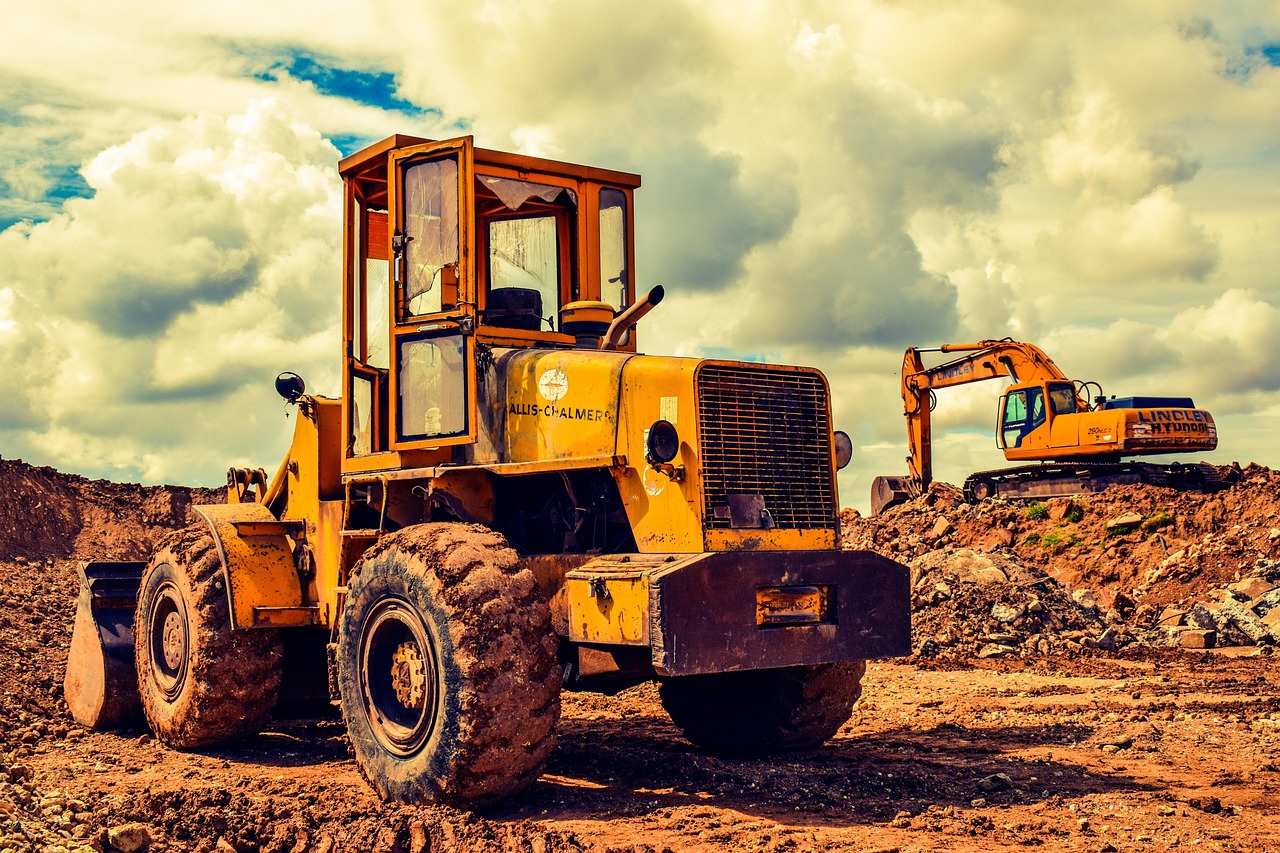
- Clean it: a pressure-washed machine photographs better and lets buyers see leaks honestly.
- Service it: fresh fluids and grease on every fitting show the machine was looked after.
- Fix the cheap things: a missing light, a torn seat or a cracked glass panel costs little and makes a machine look neglected.
- Gather the records: service history, receipts for major repairs, manuals and spare keys.
- Write down the facts: serial number, hours, and what attachments come with it.
- Take good photos: all four sides, the cab, the hour meter, the engine bay, tires or tracks, the bucket edge, and a cold start on video.
Skip the big repairs. A new engine or undercarriage rarely pays back in full at sale time. Disclose the problem and let the buyer decide.
What paperwork do you need to sell used equipment in PA?
- Pay off any loan first: if the machine is financed, contact the lender for the payoff amount and a lien release. Buyers and dealers will ask.
- Titled units: most construction equipment has no title, but trucks and many trailers do. In Pennsylvania their title transfer goes through PennDOT.
- Bill of sale: for untitled equipment, write one with the buyer’s and seller’s names, date, price, make, model, serial number, hours, and “sold as-is” if that is the deal. Both of you sign and keep a copy.
- Taxes: ask your accountant how the sale affects your taxes, especially if the machine was depreciated.
How do you get paid safely?
Equipment sales attract scams because the amounts are large and buyers are often far away.
- Do not release the machine until funds are confirmed. A cashier’s check can be fake. Call the issuing bank yourself, using a number you look up, not one the buyer gives you.
- Be wary of overpayment: a buyer who sends more than the price and asks you to wire back the difference is running a known scam. The FTC explains how it works in its guide to fake check scams.
- Prefer a wire to your account or payment at your bank, and let the funds clear.
- Meet at your yard for showings, during the day, and never let a stranger load the machine before you are paid.
A dealer or an auctioneer handles the payment side for you, which is worth remembering when you weigh their margin or commission.
Common mistakes when selling heavy equipment
1. Pricing from memory
What you paid, or what the machine was worth three years ago, is not today’s market. Check current listings.
2. Taking the first offer
Dealers value the same machine differently. A second offer costs you one phone call.
3. Hiding problems
Buyers find leaks and fault codes at the first start. Disclose them up front and price accordingly, and you will keep the buyer.
4. Signing a consignment contract you have not read
Check the commission, any reserve rules, the no-sale fee, extra charges, and how soon you get paid after the sale.
5. Comparing gross prices instead of net
A higher private price is not a better deal if it costs you months of listing fees and showings. Put every option in take-home dollars.
Dealer, auction or private sale: how to decide
- ✓ Need cash fast or the machine needs work: sell to a dealer.
- ✓ Higher-value, popular machine and you can wait for a sale date: consign at auction.
- ✓ Time to handle calls and showings, and you want the top price: sell it yourself.
Whichever route you lean toward, get at least two answers before you commit: a dealer offer and an auctioneer’s estimate. Knowing how to sell used heavy equipment mostly comes down to that comparison.
How the Heavy Listing seller form works
Heavy Listing does not buy equipment and never charges sellers. When you fill in the sell your equipment form, you tell us about the machine and agree to share your details. We pass them to Pennsylvania dealers that buy used equipment and to auctioneers that take consignments. They contact you directly, and you decide whether to deal with any of them.
Get offers from Pennsylvania dealers and auctioneers
One form, shared with your consent with PA dealers that buy and auctioneers that take consignments. Compare their answers side by side. You never pay Heavy Listing.
Sell my equipment →Frequently asked questions
What is the best way to sell used heavy equipment?
It depends on your priority. Selling to a dealer is fastest, consigning at auction lets bidders set the price, and selling it yourself can bring the most money but takes the most work and carries more risk.
How much does it cost to consign equipment at auction?
Each auctioneer sets its own seller commission. Shetron Auction & Equipment, for example, publishes 10% on items from $1,001 to $12,000 and a $1,200 cap on items over $12,000, plus a $150 fee if an item does not sell.
Do dealers buy used equipment outright?
Many do, and many also take trade-ins. Expect an offer below retail, because the dealer has to recondition, hold and resell the machine.
Do I need a title to sell construction equipment in Pennsylvania?
Most construction equipment has no title and sells with a bill of sale. Trucks and many trailers are titled, and their transfer goes through PennDOT.
How do I sell a skid steer fast?
Clean it, gather the service records, take clear photos and a cold-start video, and get a dealer offer. A dealer is usually the quickest route; consignment works if a sale date is coming up soon.
Can I list my equipment on Heavy Listing?
Listings on Heavy Listing come from dealers. As a private seller, use the sell your equipment form and we’ll pass your machine to PA dealers and auctioneers. It is free for sellers.